



 Posts
Posts


Any athlete (professional, amateur or weekend warrior) searching for legitimate ways of enhancing their physical performance has undoubtedly heard of creatine. If used properly, this safe, legal and effective supplement will enhance your athletic performance in ways never before imagined.
Scientific research has shown that creatine promotes muscle growth, improves athletic performance and accelerates recovery following strenuous exercise. Moreover, new research is now showing that creatine enhances overall anabolic (tissue building) potential and promotes good health and longevity.
However, in order to reap creatine’s full range of benefits it is imperative that one first sets the stage - metabolically speaking. Unfortunately, this information is not easily accessed by the layperson. Moreover, many creatine informational websites misinterpret existing scientific studies and disseminate potentially harmful advise about the “proper” use of creatine.
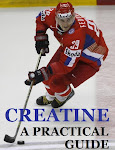
Dr. Alfredo Franco-Obregón now shares his insights about sports supplementation with a guide that reveals the truth about creatine and the many ways in which it can help you achieve your true athletic potential - at any age.Optimize your creatine use!
Taking exorbitant amounts of creatine is pointless and ultimately unsafe. Most of us can get away with taking much less creatine than suggested by the manufacturers, without sacrificing any of the gains.
The guide is written so that even a layperson will quickly learn how to implement a straightforward supplementing regimen into their daily routine that will allow them to reap creatine’s full range of benefits at the most affordable price and with the least amount of stress to their system.
For the more scientifically minded, this comprehensive guide also analyzes the most recent scientific studies examining the effects of creatine supplementation on athletic performance and overall health. Obtaining this information is the first step to opening the door to a longer, more fruitful, athletic career.
Scientific research has shown that creatine promotes muscle growth, improves athletic performance and accelerates recovery following strenuous exercise. Moreover, new research is now showing that creatine enhances overall anabolic (tissue building) potential and promotes good health and longevity.
However, in order to reap creatine’s full range of benefits it is imperative that one first sets the stage - metabolically speaking. Unfortunately, this information is not easily accessed by the layperson. Moreover, many creatine informational websites misinterpret existing scientific studies and disseminate potentially harmful advise about the “proper” use of creatine.
Dr. Alfredo Franco-Obregón now shares his insights about sports supplementation with a guide that reveals the truth about creatine and the many ways in which it can help you achieve your true athletic potential - at any age.Optimize your creatine use!
Taking exorbitant amounts of creatine is pointless and ultimately unsafe. Most of us can get away with taking much less creatine than suggested by the manufacturers, without sacrificing any of the gains.
The guide is written so that even a layperson will quickly learn how to implement a straightforward supplementing regimen into their daily routine that will allow them to reap creatine’s full range of benefits at the most affordable price and with the least amount of stress to their system.
For the more scientifically minded, this comprehensive guide also analyzes the most recent scientific studies examining the effects of creatine supplementation on athletic performance and overall health. Obtaining this information is the first step to opening the door to a longer, more fruitful, athletic career.

